

L'armadio di controllo ignifugo per riscaldatori elettrici industriali è una soluzione speci...
Produttori di quadri di controllo elettrici industriali
-
-
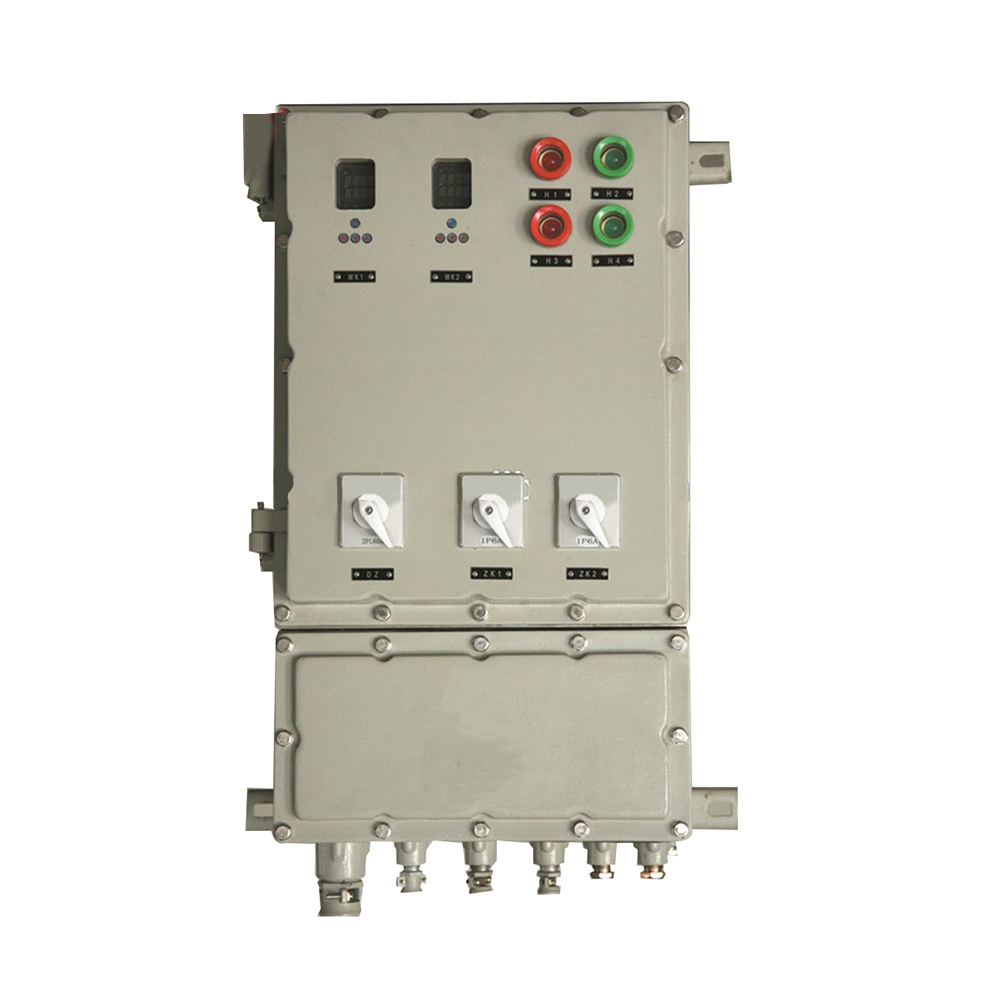
 Armadio di controllo antideflagrante per riscaldatore elettrico industriale
L'armadio di controllo antideflagrante per riscaldatori elettrici industriali è una soluzion...
-
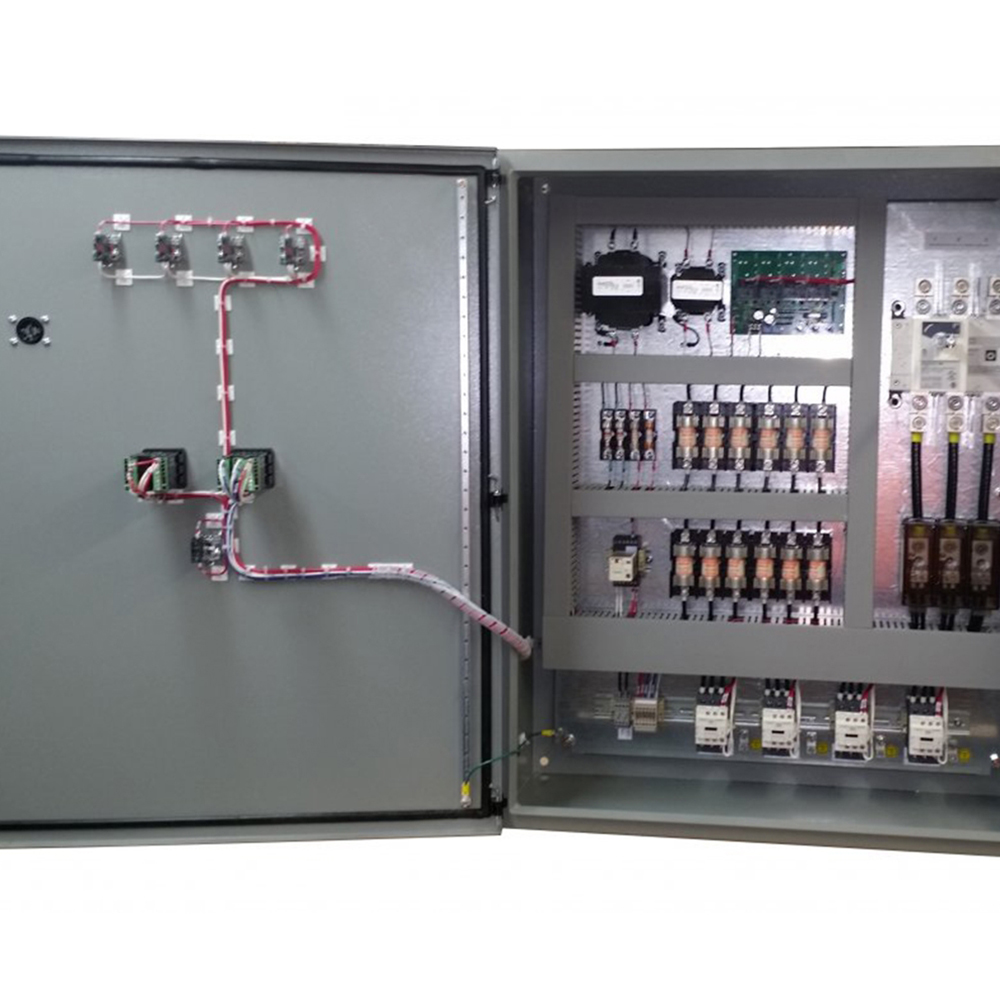 Armadio di controllo antideflagrante a tenuta multipla
L'armadio di controllo antideflagrante a tenuta multipla è una soluzione altamente specializ...
-
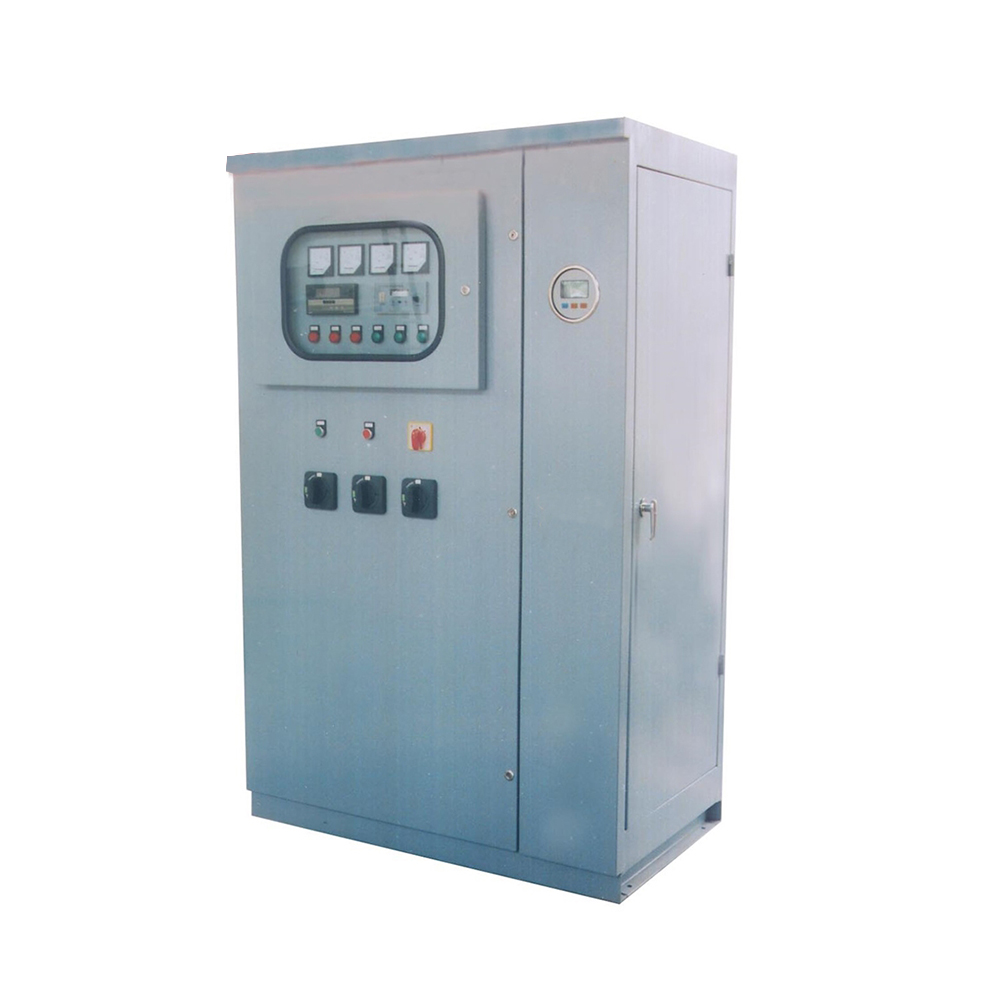
 Armadio di controllo elettrico in acciaio inossidabile non antideflagrante
L'armadio di controllo elettrico in acciaio inossidabile è una soluzione durevole e versatil...
-
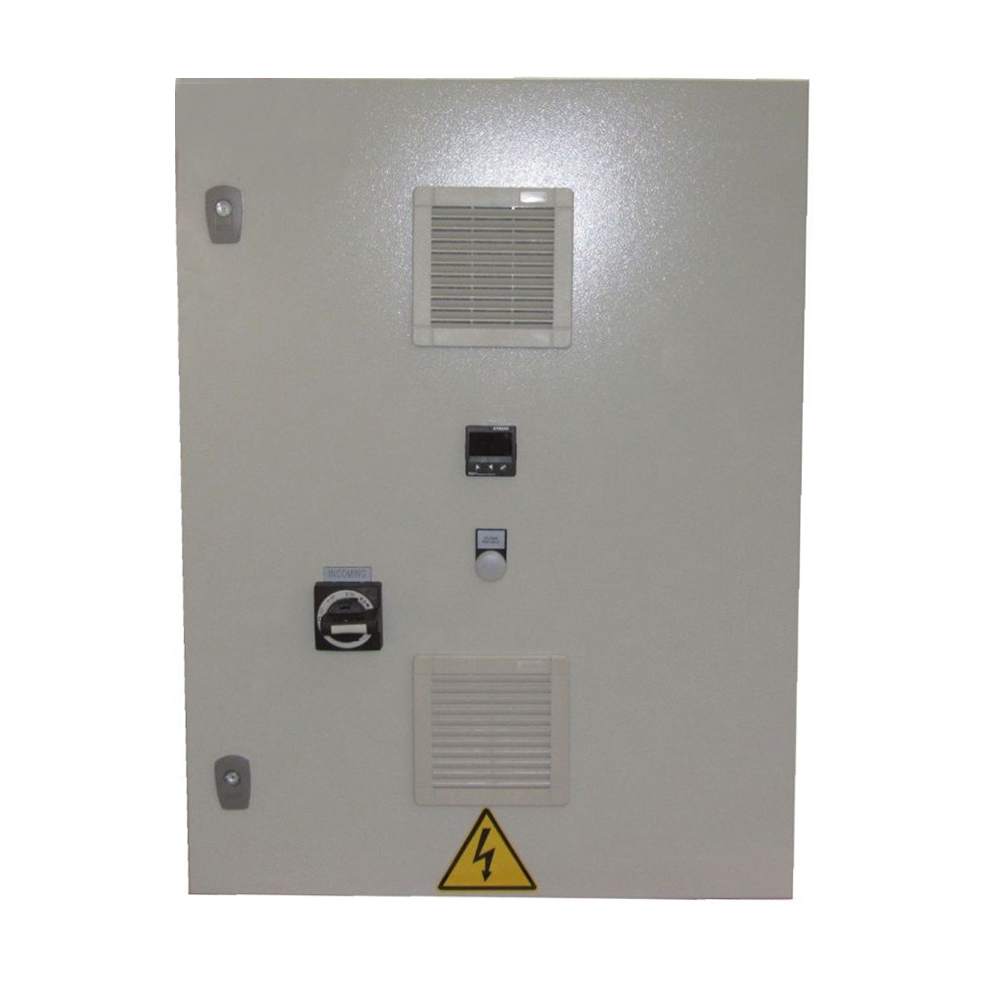
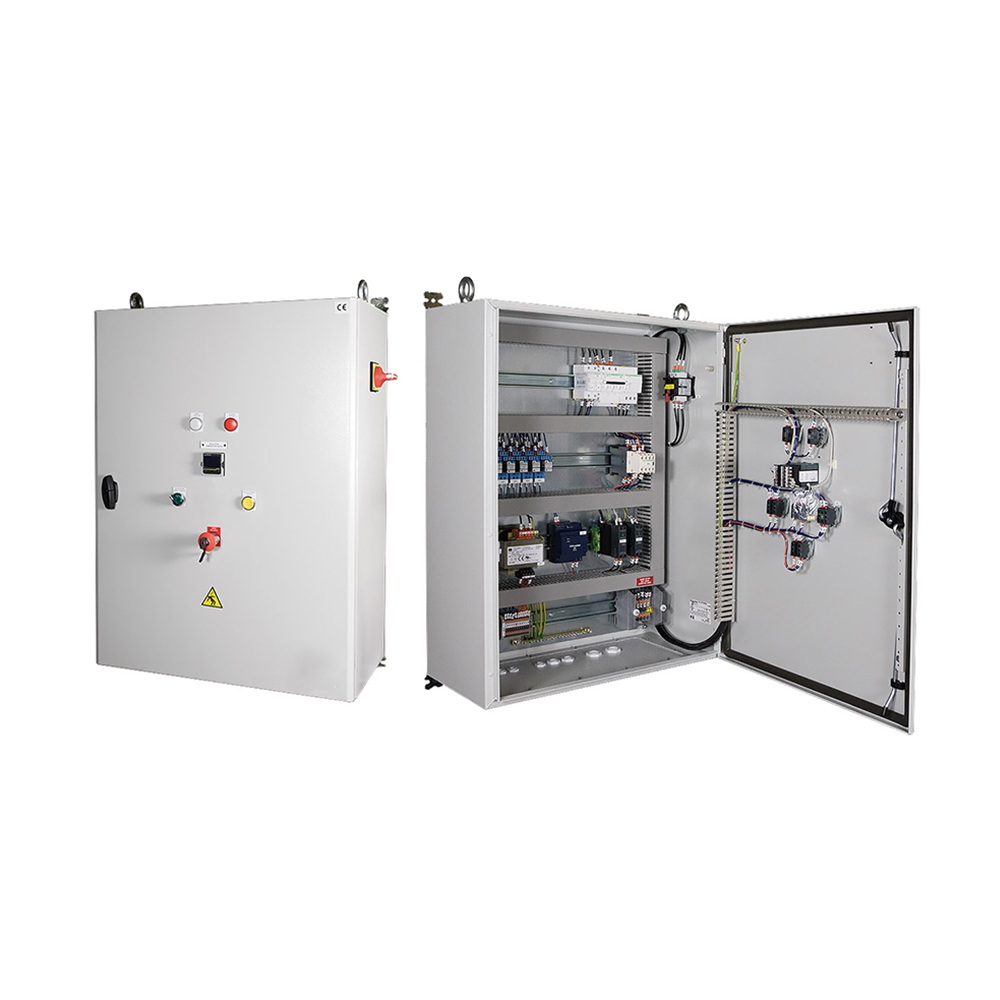 Armadio di controllo in pressofusione di lega di alluminio per riscaldatore del condotto dell'aria
L'armadio di controllo per riscaldatori per condotti d'aria è una soluzione robusta e p...
I sistemi di controllo sono componenti integrali dei moderni processi industriali, progettati per monitorare, regolare e ottimizzare il funzionamento di riscaldamento, raffreddamento e altri sistemi critici. Questi sistemi sono essenziali per garantire un controllo preciso su variabili quali temperatura, pressione, portata e umidità, fornendo maggiore efficienza, sicurezza e affidabilità in un'ampia gamma di settori, tra cui quello manifatturiero, energetico e chimico.
I sistemi di controllo sono generalmente costituiti da sensori, controller, attuatori e interfacce di comunicazione, che lavorano insieme per mantenere i parametri operativi desiderati. I sistemi avanzati incorporano controllori logici programmabili (PLC), interfacce touch-screen e monitoraggio in tempo reale per consentire un'integrazione perfetta e un controllo intuitivo.
Grazie a funzionalità quali il rilevamento automatizzato dei guasti, la manutenzione predittiva e l'ottimizzazione energetica, i moderni sistemi di controllo non solo migliorano le prestazioni del sistema, ma riducono anche i costi operativi e i tempi di inattività. Che si tratti di applicazioni semplici o di processi industriali complessi, i sistemi di controllo forniscono soluzioni personalizzabili, scalabili ed economiche per una gestione efficiente dei processi.
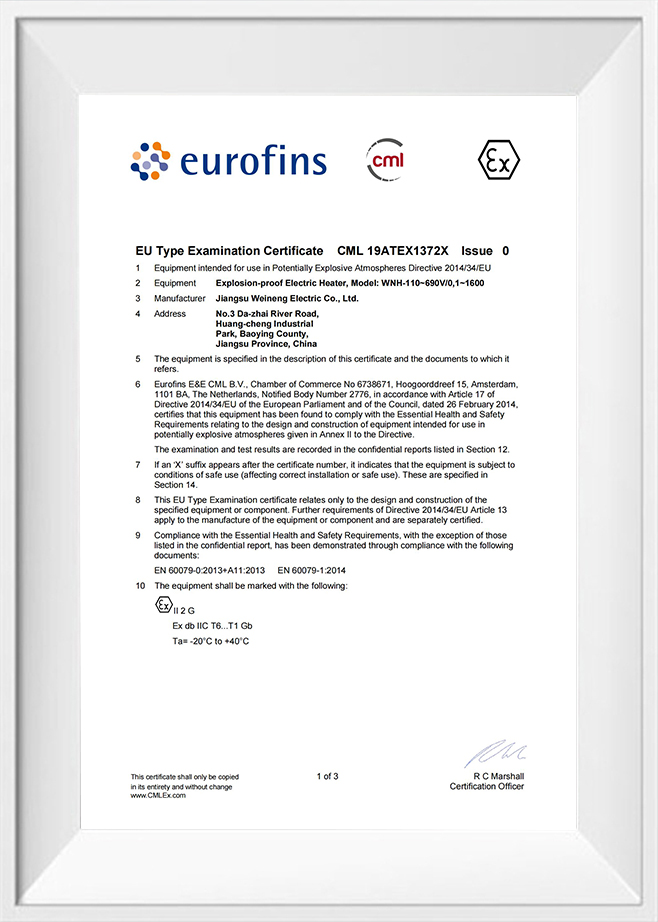
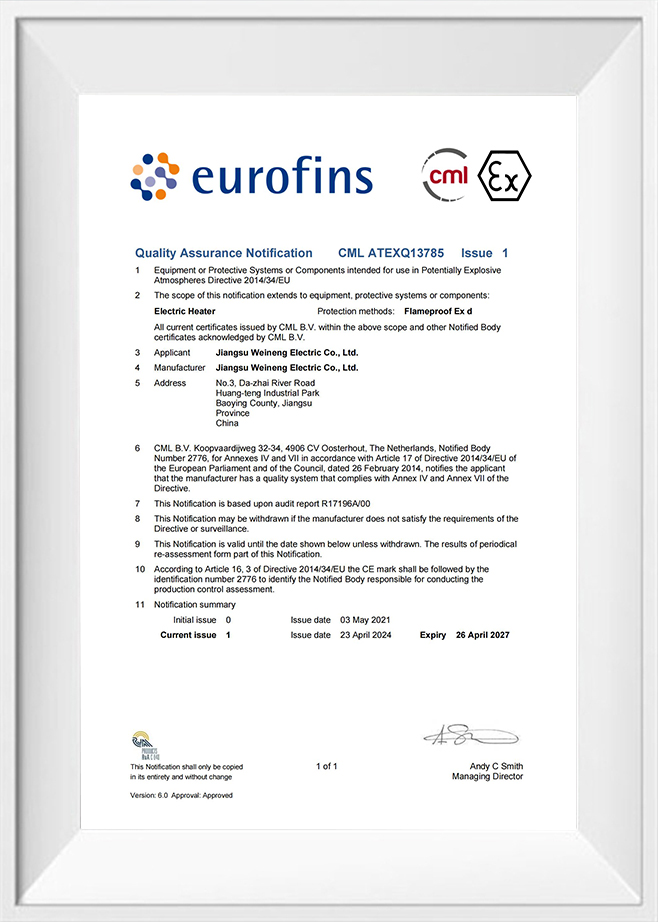
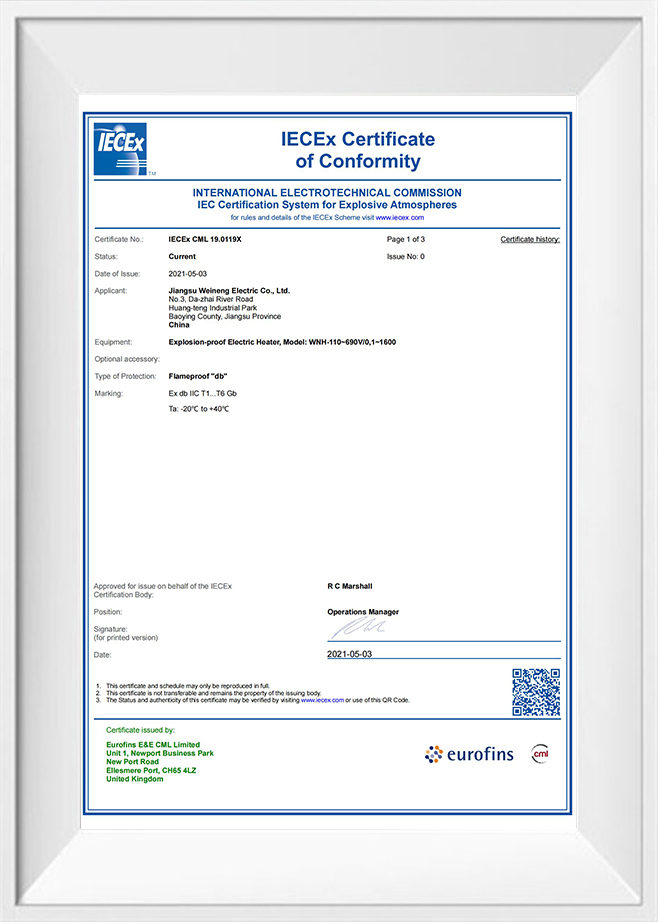
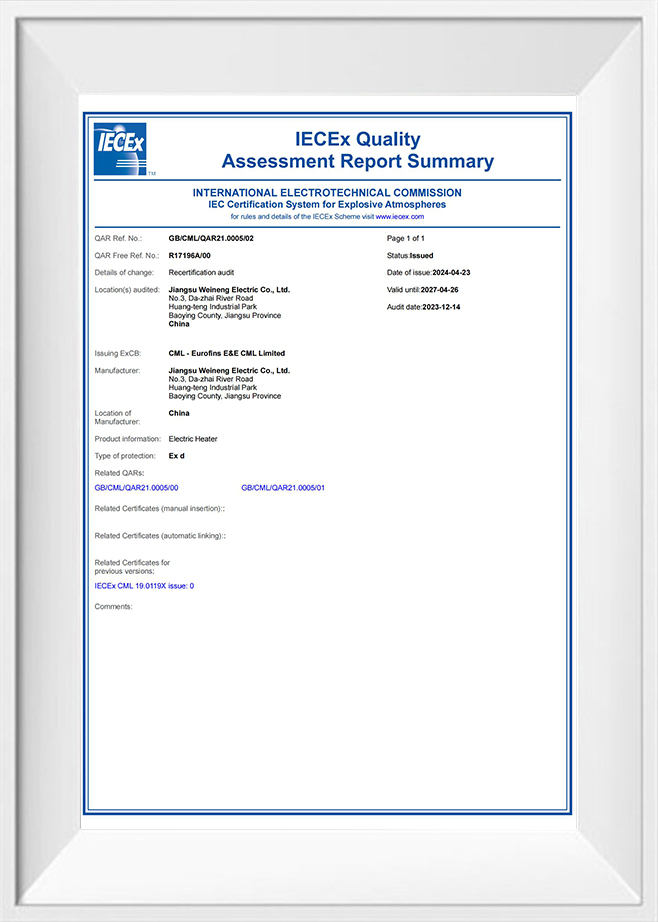
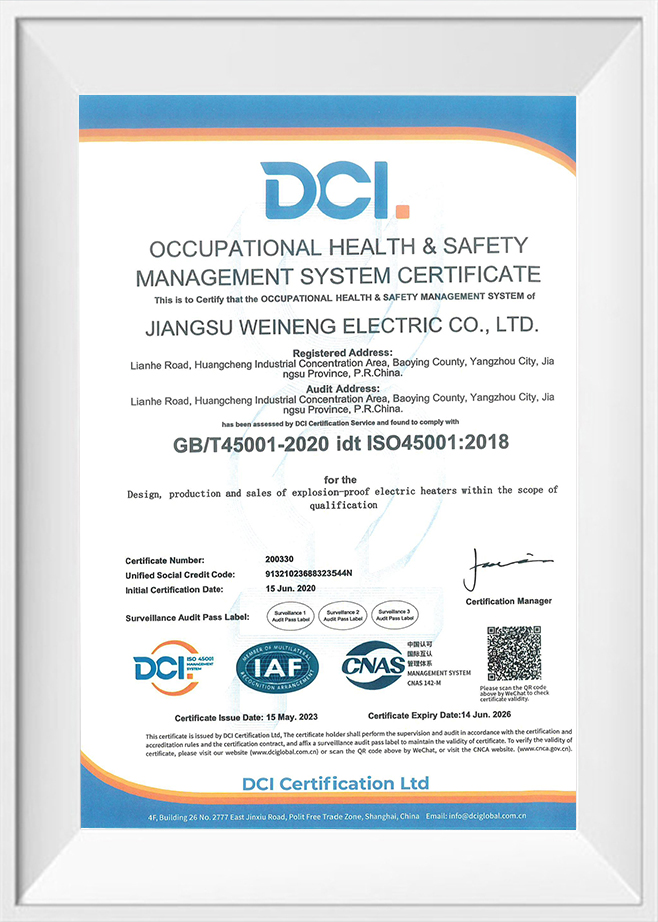
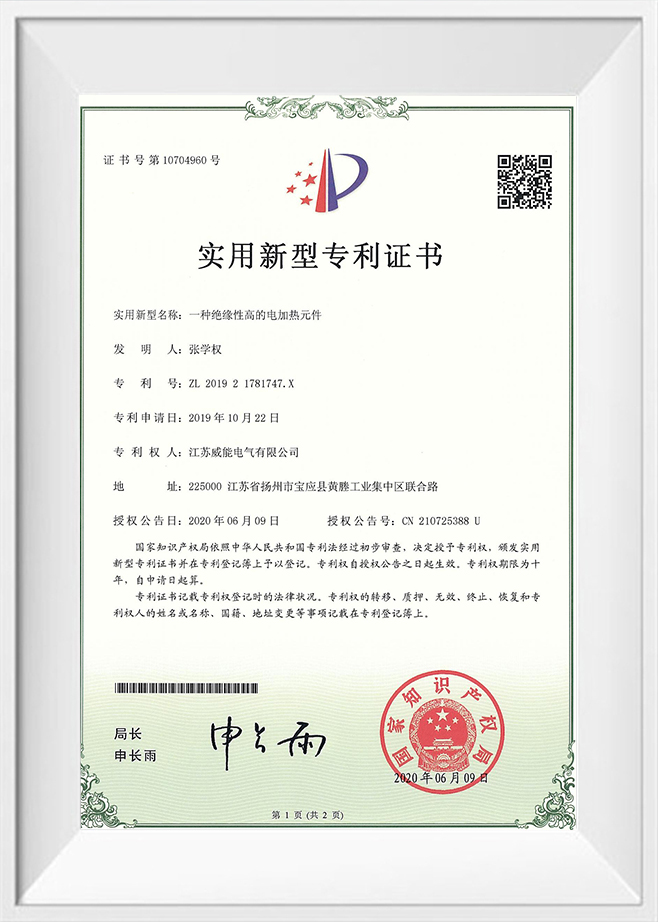
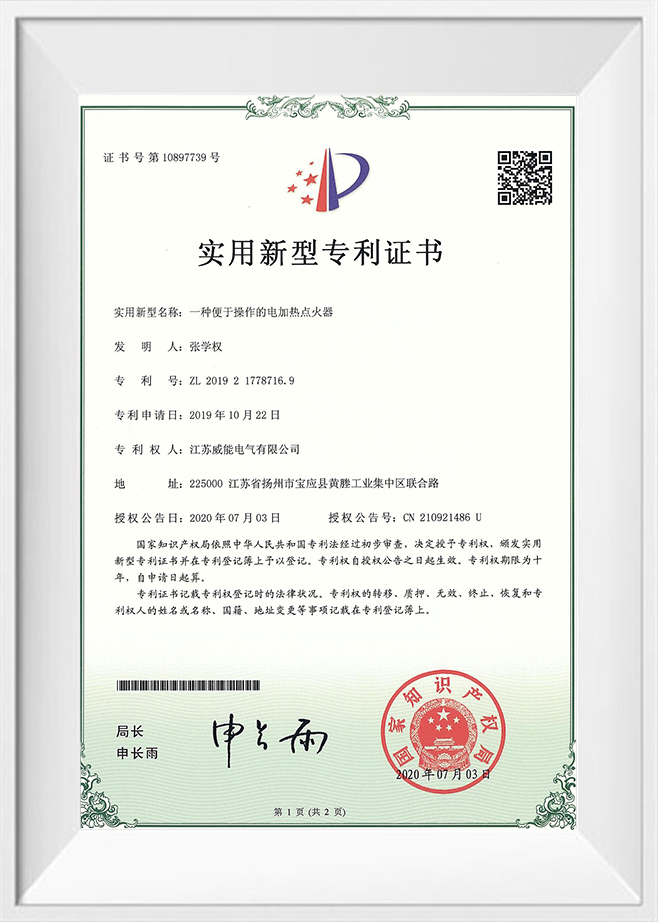
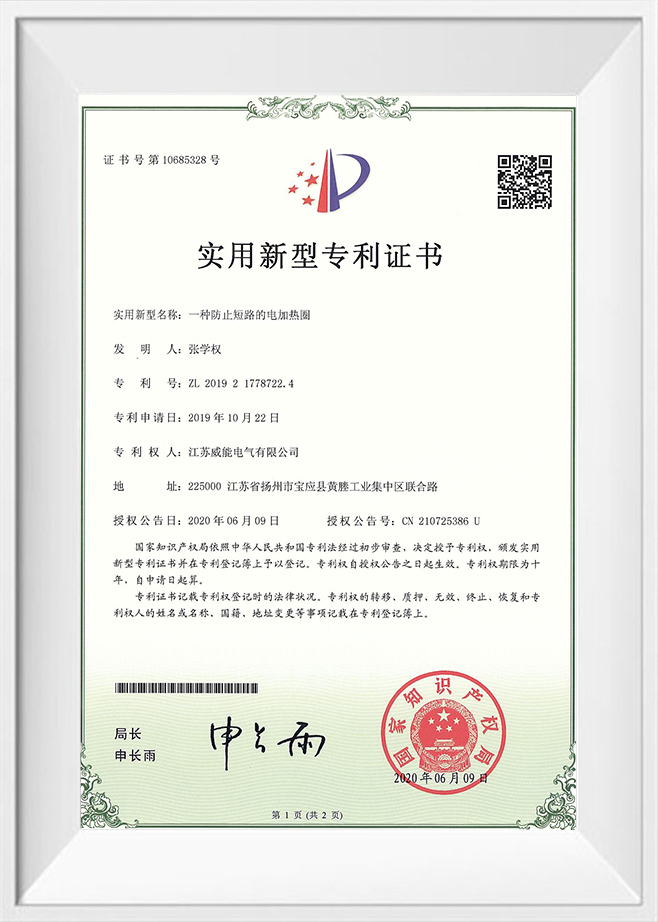
Certificato
Jiangsu Weineng Electric Co., Ltd, fondata il 23 aprile 2009, è un produttore professionale impegnato nella ricerca, sviluppo, produzione, vendita e assistenza di riscaldatori elettrici, cavi scaldanti e sistemi di controllo per l'industria.
CHI SIAMO
Jiangsu Weineng Electric Co.,Ltd
Jiangsu Weineng Electric Co.,Ltd, fondata il 23 aprile 2009, è un produttore professionale impegnato nella ricerca, sviluppo, produzione, vendita e assistenza di riscaldatori elettrici, cavi scaldanti e sistemi di controllo per l'industria.
Come Cina Produttori di quadri di controllo per riscaldatori elettrici industriali e Fabbrica di quadri di controllo per riscaldatori elettrici industriali, Siamo situati nella contea di Baoying, provincia di Jiangsu, con comodo accesso ai trasporti. Dedicati a un rigoroso controllo qualità e a un servizio clienti attento, i nostri esperti membri del personale sono sempre disponibili per discutere le vostre esigenze e garantire la piena soddisfazione del cliente. Negli ultimi anni, la nostra azienda ha introdotto una serie di attrezzature avanzate tra cui macchina per riempimento di polvere, pompa di prova a pressione elettrica, tornio per calibri, saldatrice a punti LCD, armadio di essiccazione, macchina per pulizia, sabbiatrice a secco, piegatubi automatico, multimetro digitale, misuratore di resistenza di isolamento, tester di resistenza alla tensione. La nostra azienda insiste sull'innovazione tecnologica, abbiamo 3 professori di ingegneria e dozzine di giovani ingegneri con ricca esperienza per organizzare un team di ingegneria professionale. Collaboriamo con università e accademie per ricercare e sviluppare nuovi prodotti. Inoltre, abbiamo ottenuto le certificazioni IECEx, ATEX, ISO. Vendiamo bene in tutte le città e province della Cina, offriamo Quadro di controllo per riscaldatore elettrico industriale personalizzato. i nostri prodotti sono anche esportati in clienti in paesi e regioni come Medio Oriente, Sud-est asiatico, America ed Europa. Accogliamo anche ordini OEM e ODM. Che si scelga un prodotto attuale dal nostro catalogo o si cerchi assistenza ingegneristica per la propria applicazione, potete parlare con il nostro centro di assistenza clienti per le vostre esigenze di approvvigionamento.Feedback del messaggio
Notizie recenti
Scopri le nostre informazioni sulle fiere di settore e gli eventi recenti della nostra azienda.
-
Certificazione ATEX e IECEx: differenze chiave per gli acquirenti di prodotti antideflagranti
Ti trovi di fronte a una scheda tecnica di un riscaldatore elettrico a immersione che verrà inserito in un serbatoio contenente un solvente infi...14 -
ATEX vs IECEx: differenze chiave e come scegliere apparecchiature certificate per aree pericolose
Quando si specifica un riscaldatore elettrico per un flusso di processo volatile, la prima domanda tecnica che di solito sorge è se deve avere l...09 -
ATEX Certification Meaning: What It Means for Industrial Heating Equipment
You are standing in a chemical plant, reviewing a replacement immersion heater for a process vessel. The nameplate shows the marking II 2G Ex d ...01 -
Tracciamento elettrico elettrico: tipi di cavi, applicazioni e guida alla selezione per tubi e serbatoi
Quando un impianto di processo perde calore lungo una tubazione, raramente il risultato è un guasto improvviso. Si tratta di un problema gradual...24 -
Spiegazione delle dimensioni dei pressacavi: tabelle metriche e PG, suggerimenti per la misurazione e guida alla selezione
Come funziona effettivamente il dimensionamento dei pressacavi Un ingegnere ha ordinato un pressacavo M25 per un cavo a quattro nuclei da ...17
Sistemi di controllo Conoscenza del settore
Unlocking Predictive Maintenance Potential in Industrial Control Systems for Greater Efficiency and Uptime
Predictive maintenance is rapidly becoming a cornerstone of modern industrial automation strategies, and its integration into control systems marks a major shift in how manufacturers and plant operators manage operational health. Rather than relying solely on scheduled inspections or reactive repairs, predictive maintenance leverages real-time data collected through sensors and control logic to forecast failures before they happen. This capability, once considered cutting-edge, is now increasingly accessible and practical, especially for industries managing high-demand equipment like the industrial electric heater.
At the heart of this transformation is the control system itself, acting as the central nervous system that ties together temperature sensors, vibration monitors, and current analyzers. When integrated properly, these elements continuously feed operational data into the Indutrial Electric Heater Control Cabinet, where intelligent algorithms can identify deviations from expected patterns. For example, a gradual increase in energy consumption without a corresponding rise in output might indicate resistance coil degradation—long before complete failure occurs.
Such proactive monitoring requires a well-designed infrastructure. Systems equipped with programmable logic controllers (PLCs) and SCADA platforms can be programmed to analyze trends and issue alerts when thresholds are breached. More advanced setups incorporate cloud analytics or edge computing to reduce latency in decision-making, especially in facilities where downtime directly translates to production losses. For manufacturers using electric process heating systems, this early detection is especially valuable, as downtime for equipment like indutrial electric heaters can disrupt entire production lines.
However, it's not just about sensors and software; the real value comes from knowing how to interpret the data. A control system must be configured with a clear understanding of the equipment’s operational profile, environmental variables, and failure modes. Over time, the accumulated data enables smarter decision-making and the refinement of maintenance schedules based on actual Industrial Electric Control Cabinet conditions rather than assumptions. This results in lower maintenance costs, improved safety, and longer asset life—all while minimizing unscheduled interruptions.
Implementing predictive maintenance isn’t a plug-and-play solution—it requires experience, customization, and collaboration between control system engineers, maintenance teams, and process operators. That’s where an experienced manufacturer adds real value. By understanding both the electrical characteristics of the equipment and the unique requirements of each industrial process, we can tailor control solutions that not only manage heating operations precisely but also provide actionable diagnostics that evolve with your operation.
Many of our clients, especially those operating in high-temperature or continuous production environments, have seen significant ROI after upgrading to predictive-enabled systems. From control cabinets for industrial electric heaters to full-scale automation platforms, the integration of condition monitoring and fault prediction has transformed their maintenance models into a competitive advantage. The key lies in leveraging both technology and domain expertise to deliver systems that are not only technically advanced but also practical and dependable.
As industrial demands grow more complex, so does the need for intelligent control strategies that adapt to real-world conditions. Predictive maintenance isn’t just a trend—it’s a strategic tool for ensuring operational resilience and efficiency. With the right design and support, it can be seamlessly woven into your existing infrastructure, bringing long-term reliability and cost savings to the forefront of your operations.
Copyright © Jiangsu Weineng Electric Co.,Ltd. Tutti i diritti riservati.
Fabbrica di quadri di controllo elettrici industriali OEM/ODM
